Many people believe that if their teeth are not hurting, their mouth is healthy. However, gum disease often develops quietly without causing pain in its early stages. By the time discomfort appears, the condition may have already affected your gums, teeth, and even the supporting bone. Seeking Gum disease treatment in KPHB at the right time can help prevent serious dental problems and protect your smile for years to come.
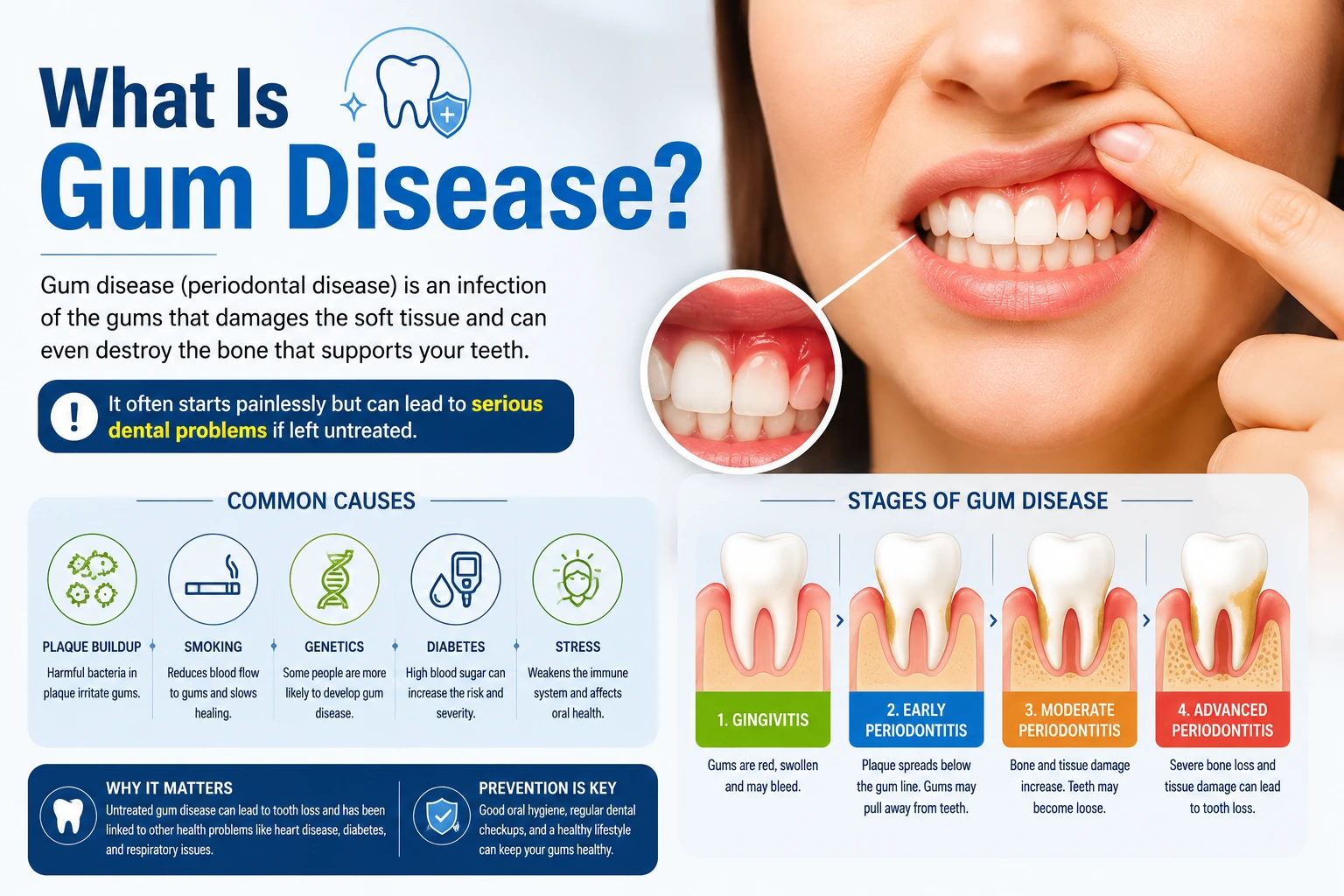
Gum disease is an infection of the tissues that support your teeth. It usually begins with
plaque, a sticky layer of bacteria that forms on the teeth every day. If plaque is not removed
through proper brushing and regular dental cleanings, it hardens into tartar, leading to
inflammation and infection.
Common signs include:
* Red or swollen gums
* Bleeding while brushing or flossing
* Bad breath that doesn't go away
* Tender gums
* Receding gums
* Loose teeth in advanced stages
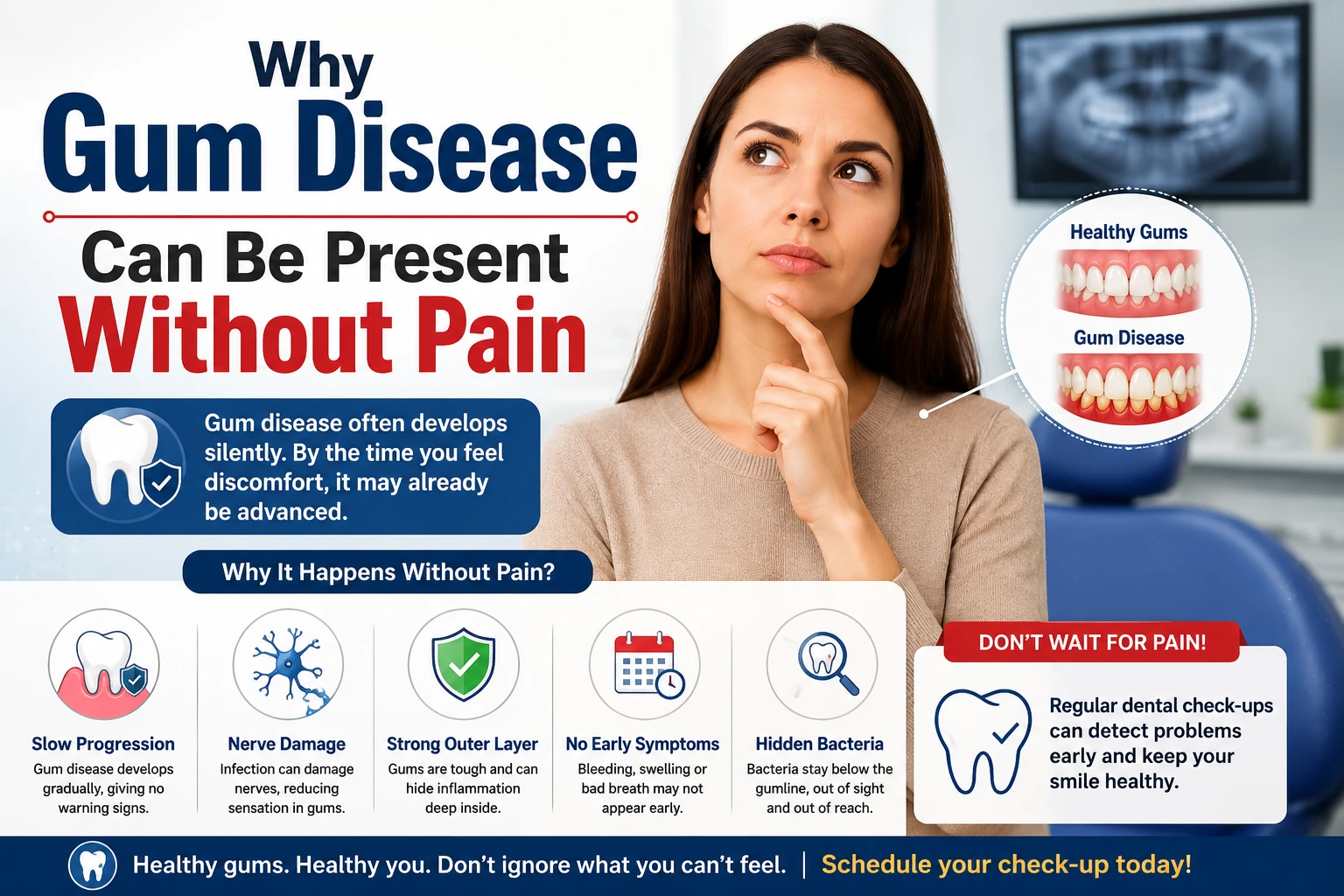
Many people experience no pain during the early stages, making regular dental check-ups
essential.
Pain is not always the first symptom of gum disease. Early gum disease, known as gingivitis, usually causes mild inflammation rather than severe discomfort. As the condition progresses, the infection slowly damages the gums and bone supporting the teeth. At Qdental, experienced dentists carefully examine your gums during routine dental visits to detect problems before they become serious. Early gum disease treatment in KPHB helps stop the infection before it leads to tooth loss or costly treatments.
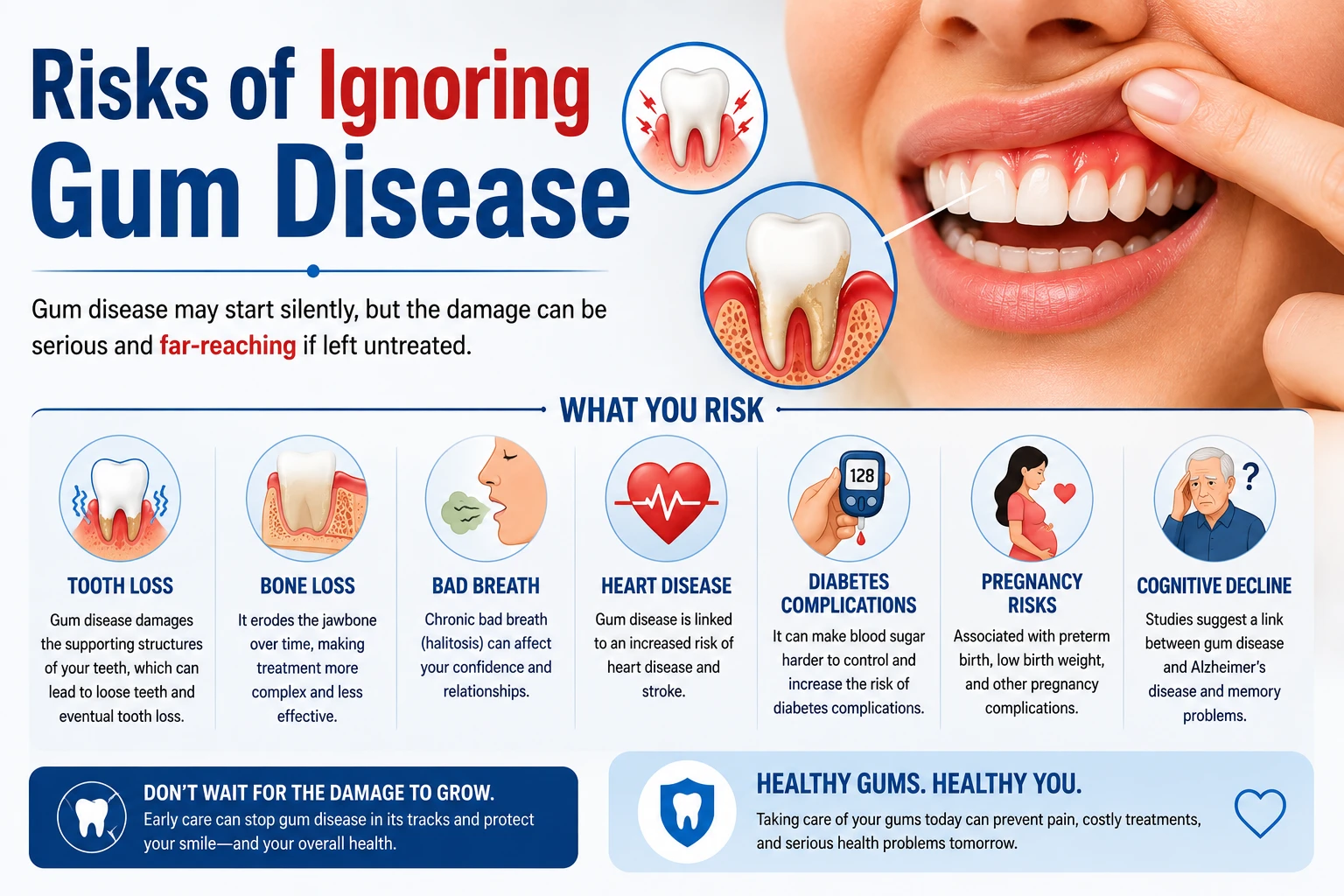
Ignoring gum disease because your teeth feel fine can lead to several complications.
These include:
* Gum recession
* Persistent bad breath
* Loose teeth
* Bone loss around teeth
* Tooth loss
* Increased treatment costs later
Early treatment is usually quicker, less invasive, and more affordable than treating advanced gum
disease.
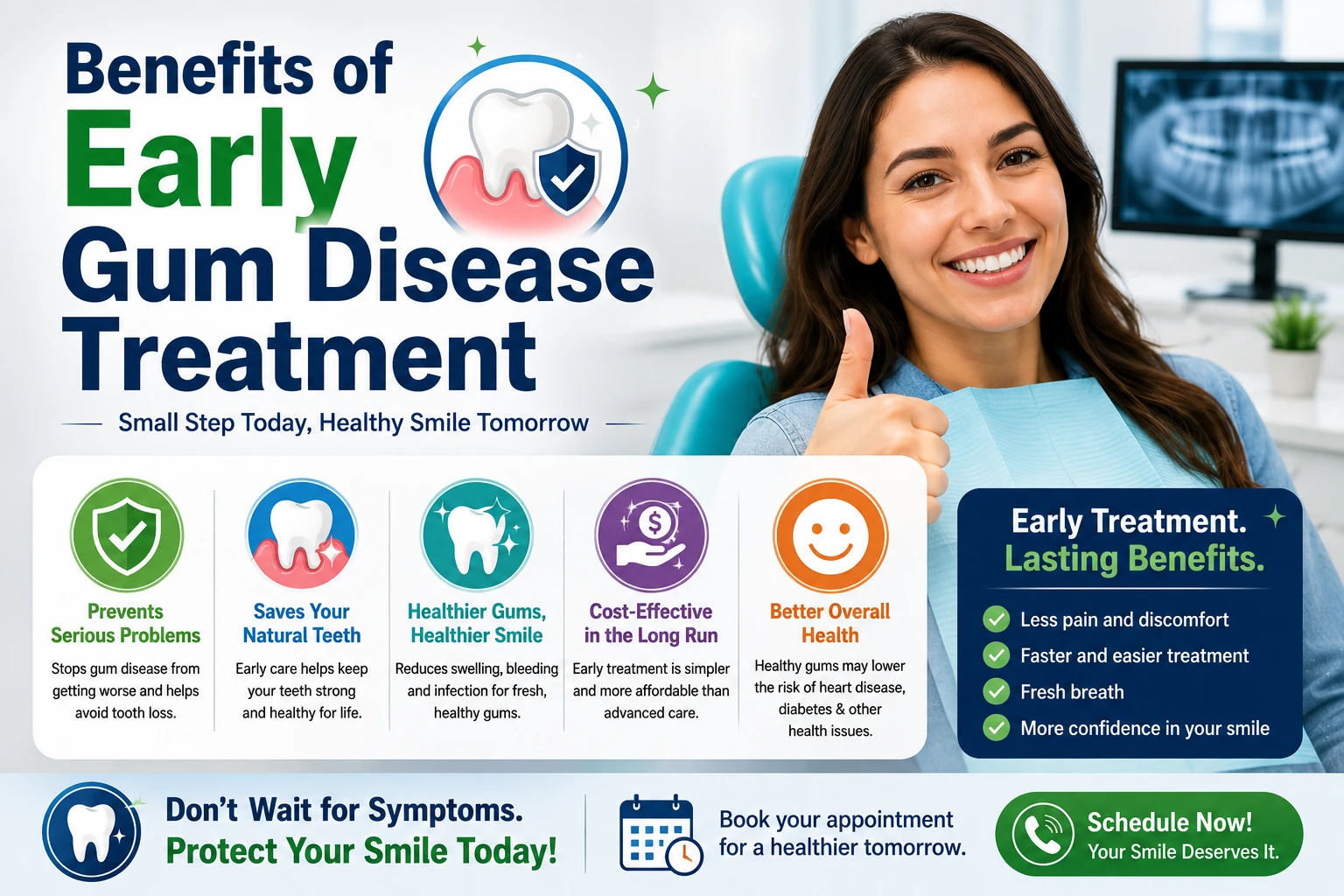
Getting treatment at the right time offers several advantages.
* Prevents tooth loss
* Reduces gum bleeding
* Eliminates harmful bacteria
* Improves fresh breath
* Protects jawbone health
* Supports overall oral health
* Helps maintain a confident smile
Early care can often reverse gingivitis before permanent damage occurs.
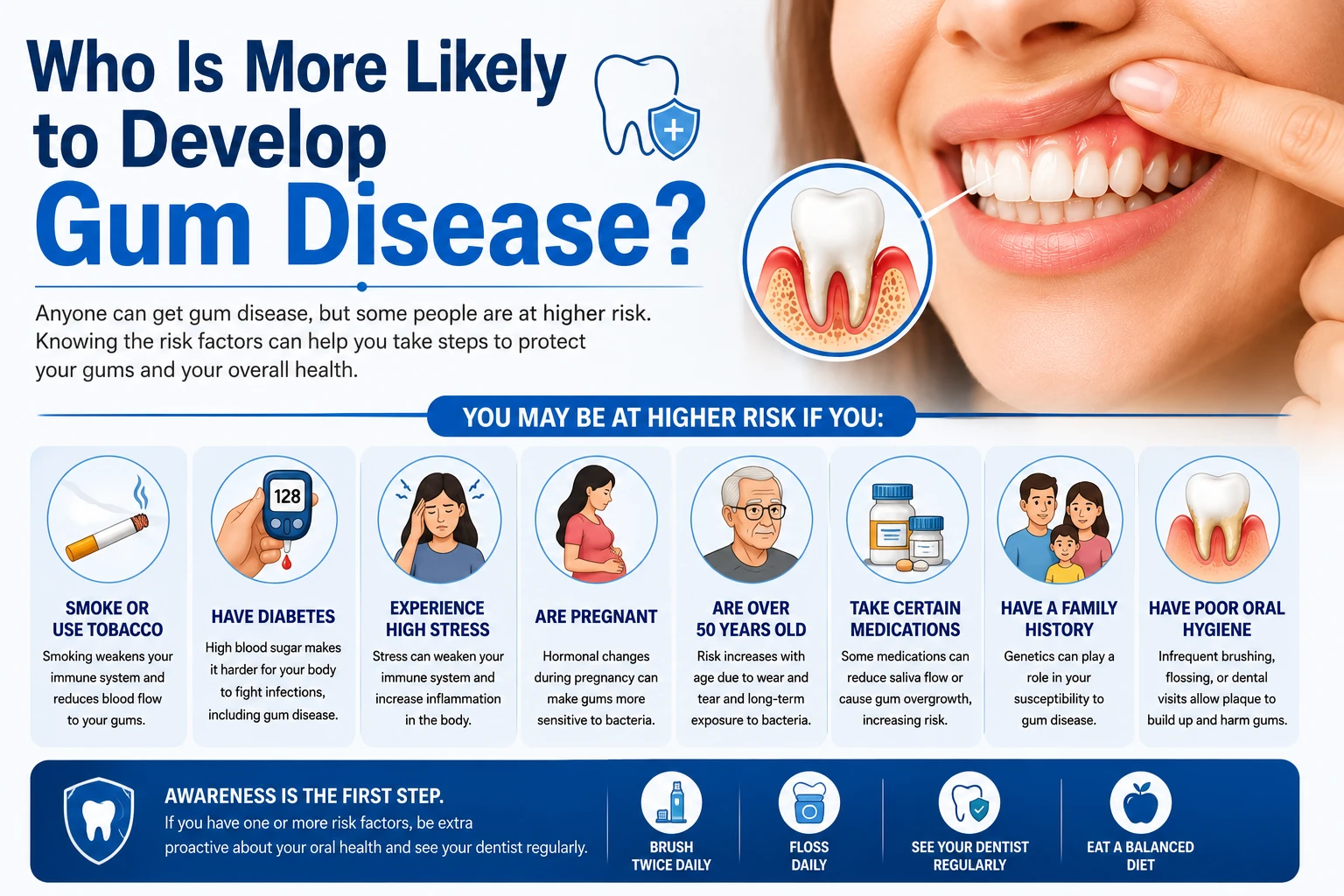
Some people have a higher risk of developing gum disease than others.
Risk factors include:
* Poor oral hygiene
* Smoking or tobacco use
* Diabetes
* Hormonal changes
* Family history
* Stress
* Poor nutrition
* Irregular dental check-ups
If you have any of these risk factors, regular dental visits become even more important.
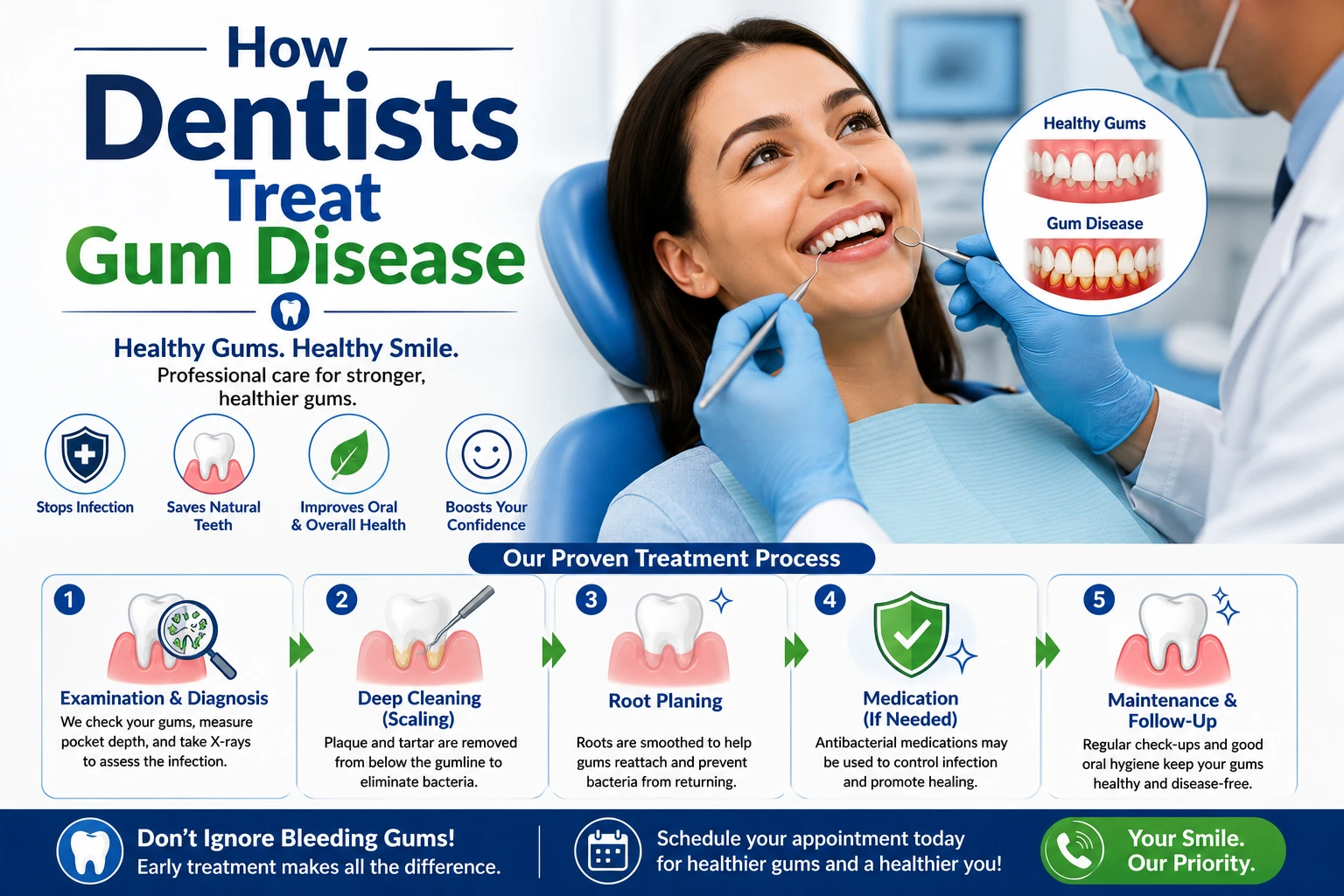
Treatment depends on how advanced the condition is.
Common treatment options include:
* Professional dental cleaning
* Scaling and root planing
* Deep cleaning below the gum line
* Antibacterial medications
* Regular maintenance visits
* Advanced periodontal treatment if required
Your dentist will recommend the most suitable treatment based on your gum health.
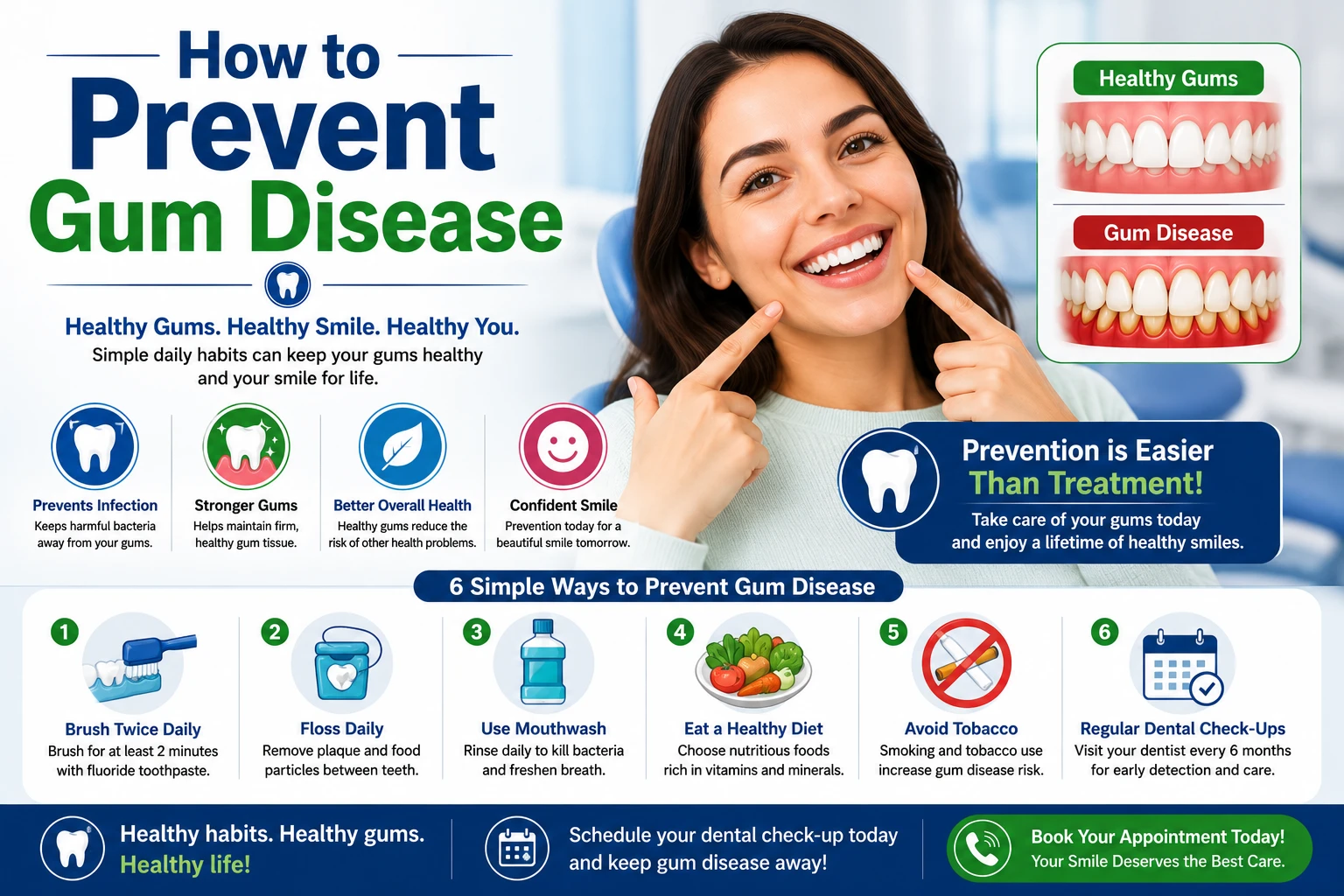
Good daily habits can greatly reduce your risk of gum disease.
Follow these simple tips:
* Brush twice a day
* Floss daily
* Use an antibacterial mouthwash
* Visit your dentist every six months
* Avoid tobacco products
* Eat a balanced diet
* Drink plenty of water
Prevention is always easier and less expensive than treatment.
Healthy gums are just as important as healthy teeth. Gum disease often develops silently, which is why regular dental check-ups are essential even when you feel no pain. Early gum disease treatment in KPHB can protect your teeth, improve your oral health, and prevent future complications. If you notice any warning signs or simply want to ensure your gums are healthy, Contact Us today to schedule a professional dental examination and keep your smile healthy for years to come.
Yes. Early gum disease often develops without pain, making regular dental check-ups very important.
Common early signs include bleeding gums, redness, swelling, bad breath, and gum tenderness.
Yes. Early-stage gum disease can often be reversed with professional cleaning and good oral hygiene.
Most people should visit the dentist every six months, although some patients may need more frequent visits.
Many people report improved communication, harmony, and emotional balance after cleansing.
It may help reduce emotional stress and encourage a more positive mindset.