Dental crowns and bridges are reliable solutions for restoring damaged or missing teeth. At Qdental Clinic, our experienced Dentists in Kukatpally help patients choose high-quality restorations that improve both oral health and appearance. One of the most common questions we hear is, "How long do dental crowns and bridges last?" The answer depends on several factors, including the material used, oral hygiene, and regular dental care. This guide explains everything you need to know to keep your dental restorations strong for years.
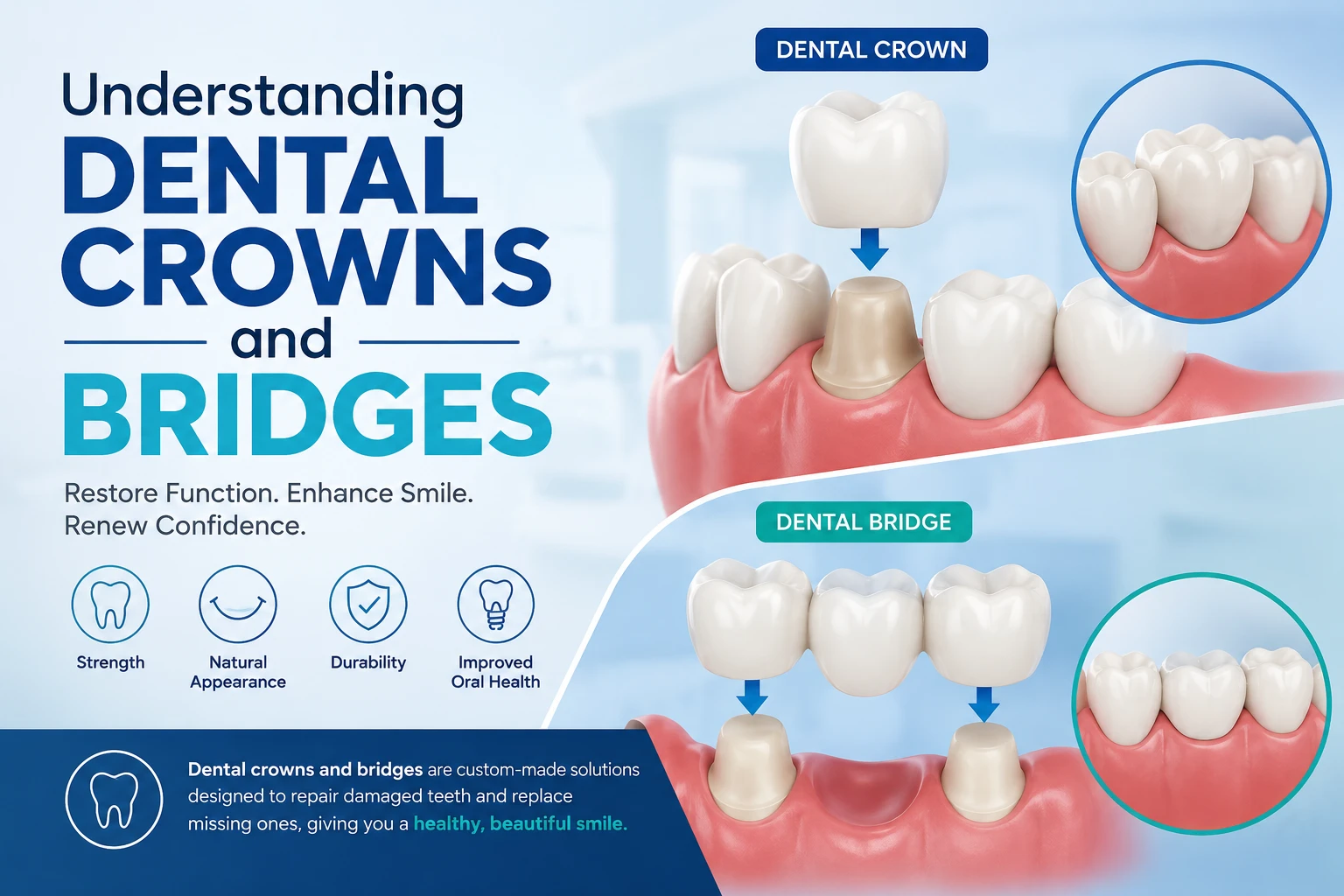
A Dental Crown is a tooth-shaped cap placed over a damaged or weakened tooth to restore its strength, function, and appearance. A dental bridge is used to replace one or more missing teeth by anchoring artificial teeth to nearby natural teeth or dental implants. Both treatments are designed to improve your smile, restore chewing ability, and prevent surrounding teeth from shifting.
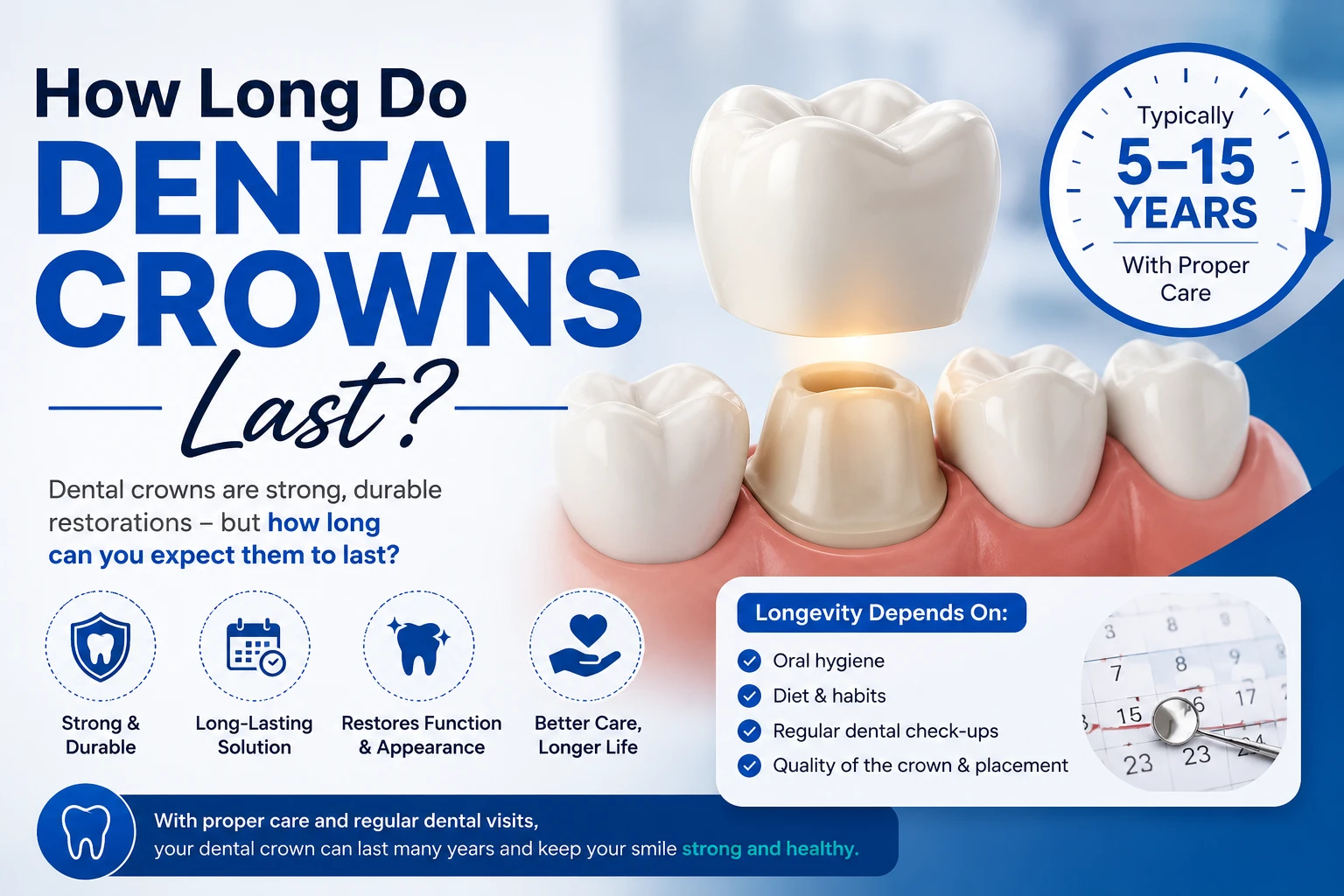
Most dental crowns last between 10 and 15 years, but with proper care, many can last 20 years or
even longer.
The lifespan depends on:
* The material used for the crown
* Daily oral hygiene habits
* Teeth grinding or clenching
* Regular dental checkups
* Eating habits
Porcelain and zirconia crowns are popular because they offer durability and a natural
appearance.
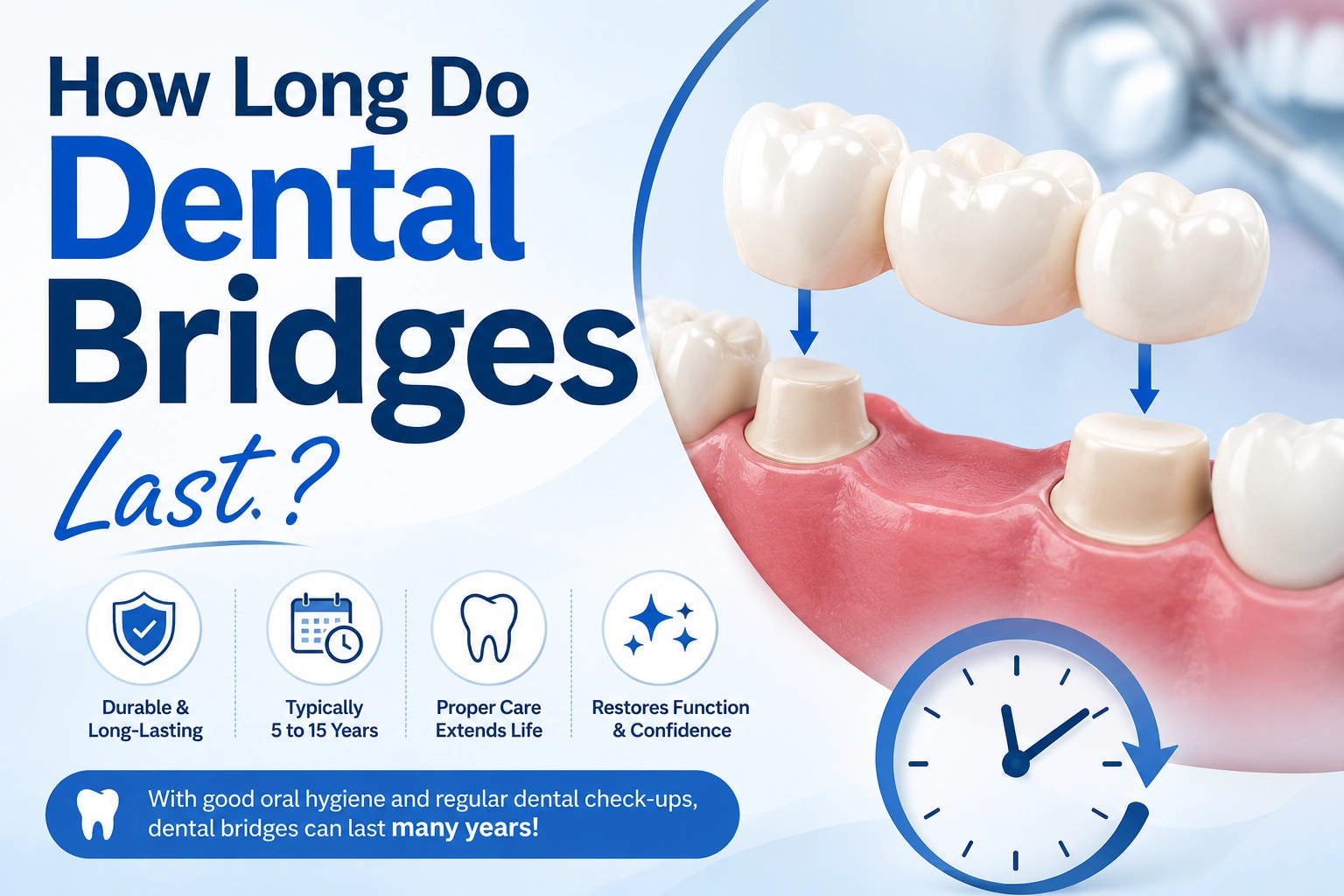
Dental bridges generally last 10 to 15 years, and many patients enjoy them for much longer with proper
maintenance.
The longevity of a bridge depends on:
* Healthy supporting teeth
* Good oral hygiene
* Proper brushing and flossing
* Routine dental visits
* Avoiding excessive pressure on the bridge
Regular professional cleaning helps keep the supporting teeth healthy and extends the life of the
bridge.
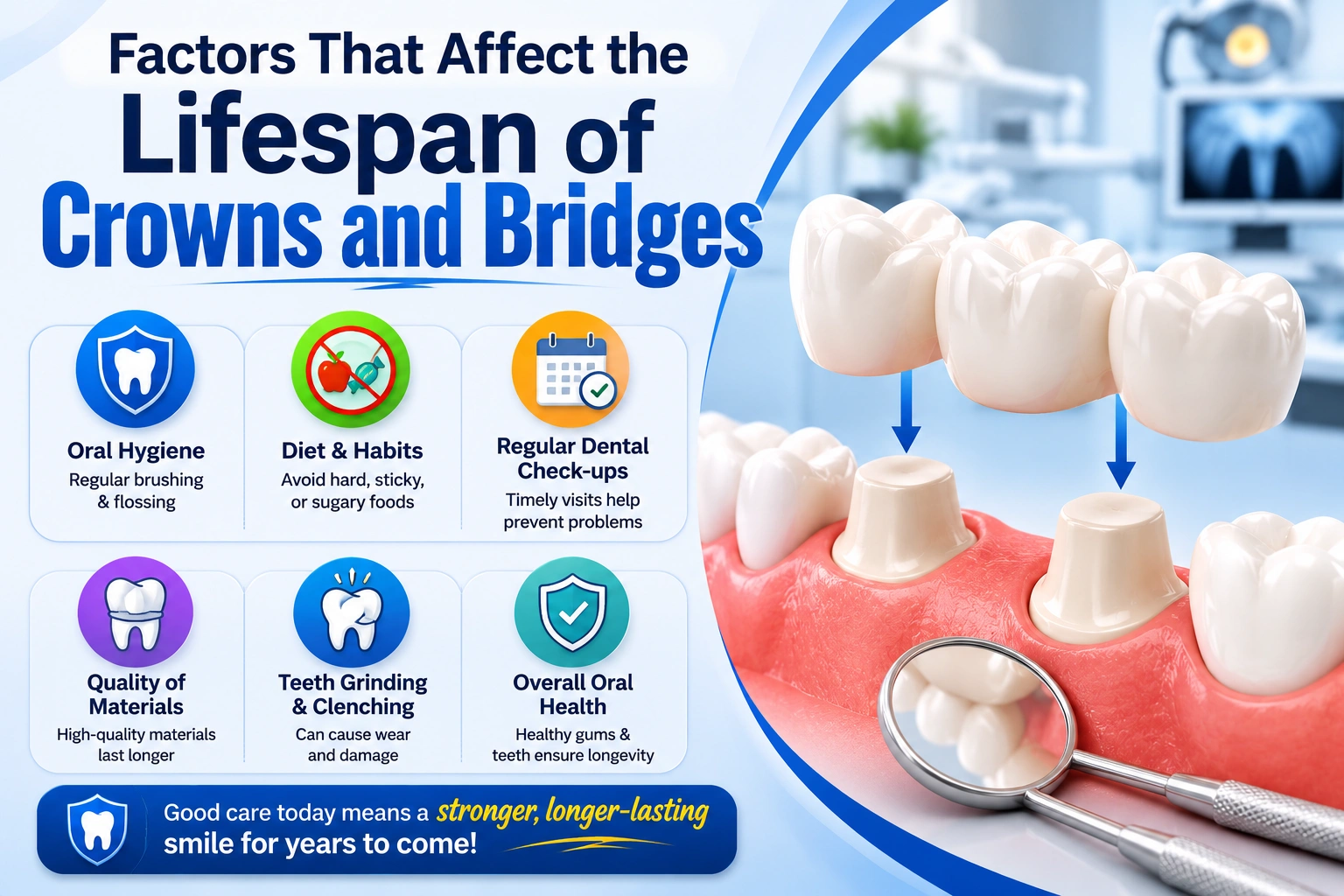
Several factors influence how long your restoration will last.
1. Oral Hygiene
Brushing twice a day and flossing daily prevent plaque buildup around crowns and bridges.
2. Quality of Materials
High-quality materials such as zirconia and porcelain are stronger and more resistant to wear.
3. Teeth Grinding
Grinding or clenching teeth can damage restorations. A custom night guard may help protect them.
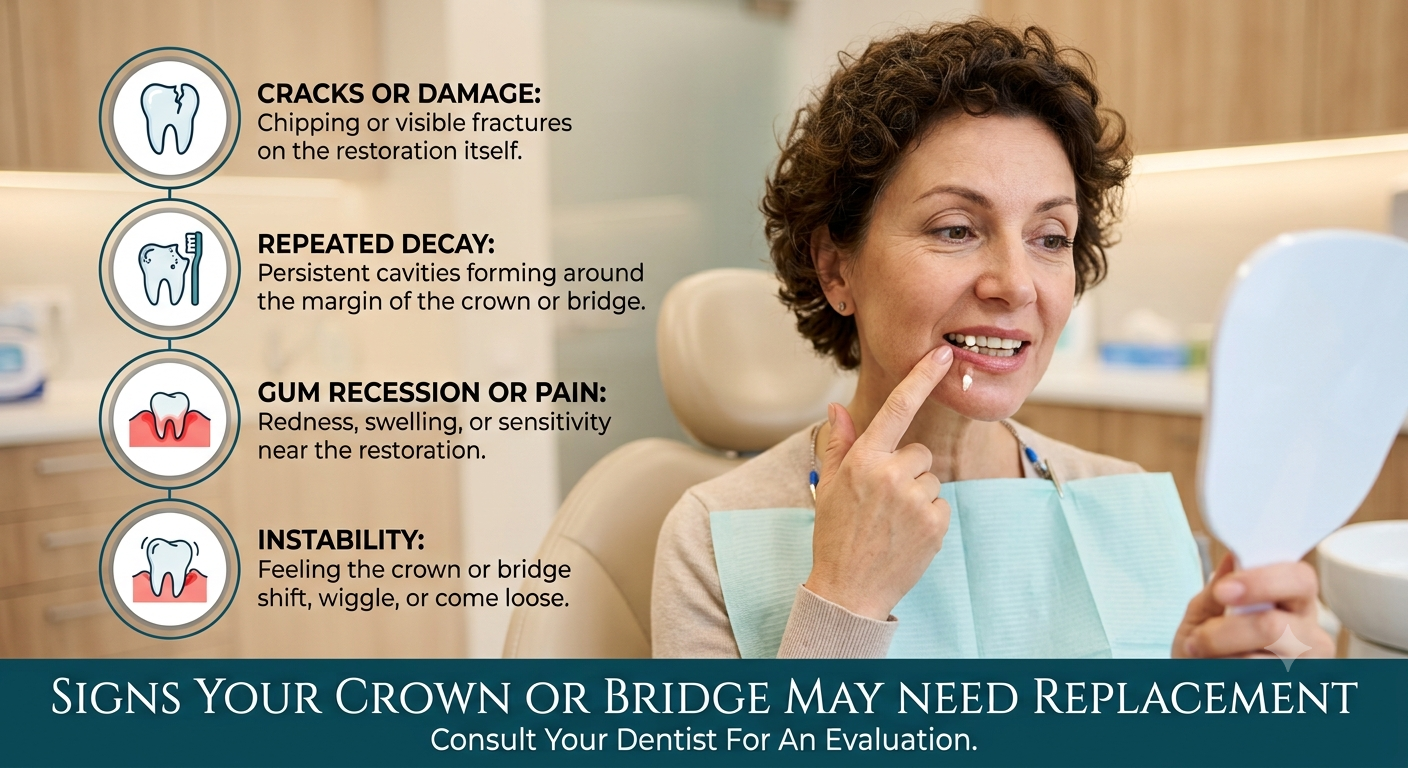
Watch for these warning signs:
* Pain or sensitivity around the tooth
* Loose or moving crown or bridge
* Visible cracks or chips
* Gum swelling around the restoration
* Difficulty chewing comfortably
If you notice any of these symptoms, visit your Dentists in Kukatpally promptly for an evaluation.
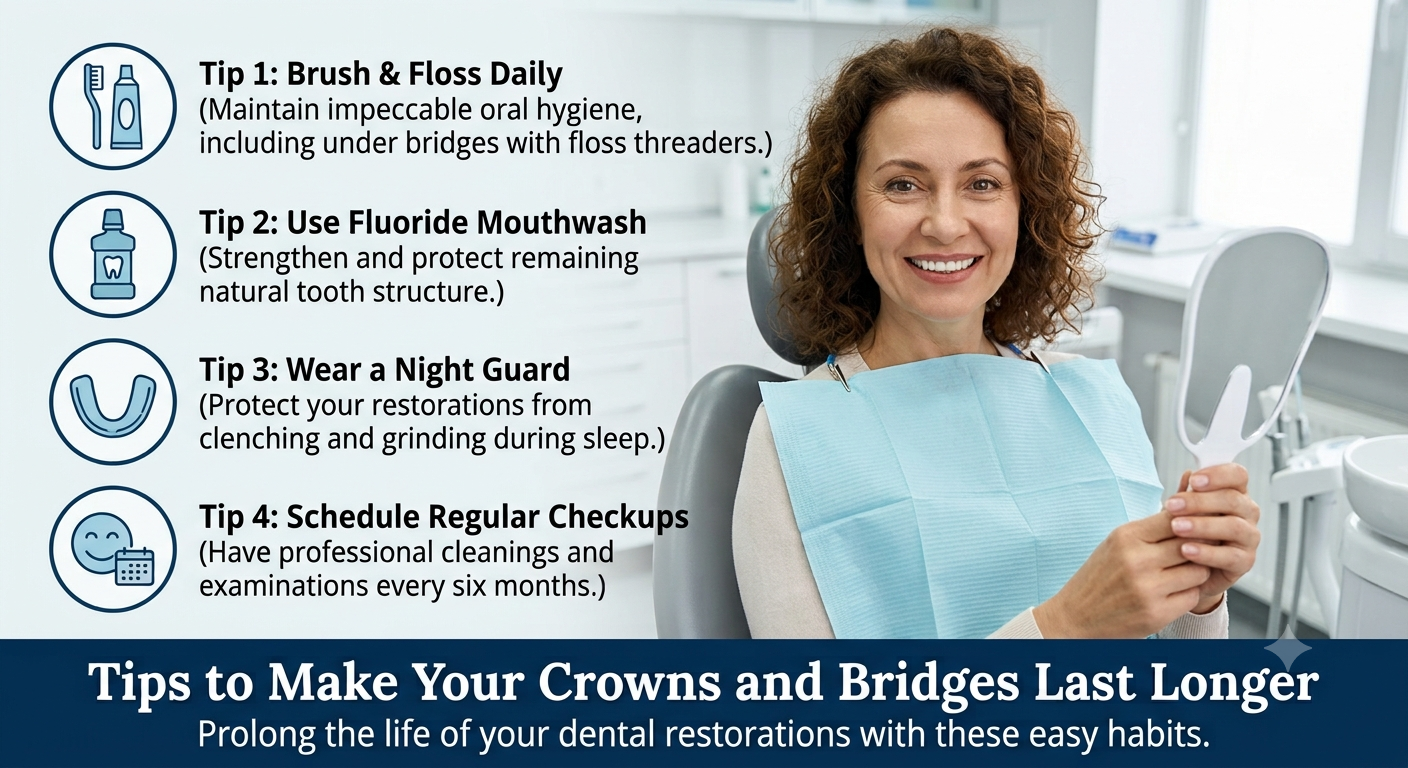
Follow these simple habits:
* Brush twice daily using fluoride toothpaste.
* Floss carefully around crowns and bridges.
* Visit your dentist every six months.
* Wear a night guard if you grind your teeth.
* Avoid biting hard objects.
* Maintain a healthy, balanced diet.
These small steps can significantly increase the lifespan of your dental restorations.
Dental crowns and bridges are excellent long-term solutions for restoring damaged or missing teeth. With proper care and regular dental visits, they can last well beyond a decade while protecting your oral health and enhancing your smile. If you are considering crowns or bridges or need to replace an existing restoration, Contact Us today and let the experienced team at Qdental Clinic help you achieve a healthy, beautiful smile.
Most dental crowns last between 10 and 15 years, and many last over 20 years with proper care.
Dental bridges generally last 10 to 15 years with good oral hygiene and regular dental checkups.
They may last for many years, but they usually require replacement eventually due to normal wear.
Zirconia is one of the strongest and most durable materials used for dental crowns.
No. Brush and floss them just like your natural teeth while paying extra attention to the gumline.
Yes. Once adjusted properly, you can eat comfortably, though very hard foods should be avoided.