whatspp
  Appointment

Can TMJ Disorders Be Treated Without Surgery? Expert Insights from Hyderabad

Temporomandibular Joint (TMJ) disorders can make everyday activities like eating, speaking, and even yawning uncomfortable. Many people worry that surgery is the only solution, but that is not always the case. In many situations, non-surgical treatments can effectively reduce pain, improve jaw function, and restore quality of life.
If you are looking for reliable TMJ disorder treatment in Hyderabad, QDental Clinic offers comprehensive evaluation and personalized treatment options to help manage jaw pain and improve overall oral function. Understanding your treatment options can help you make an informed decision and achieve long-term relief.
image
What Is a TMJ Disorder?
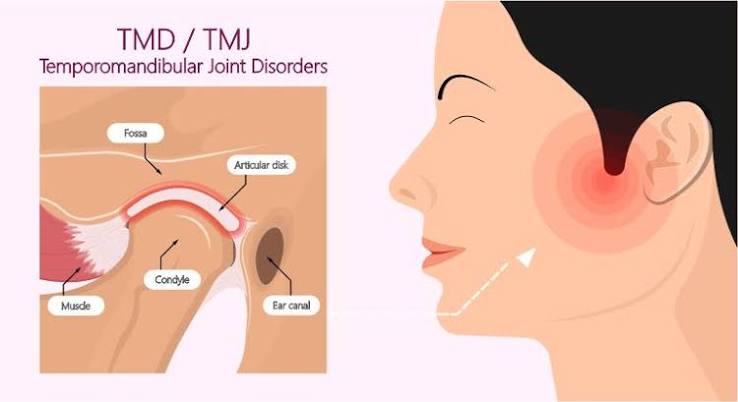
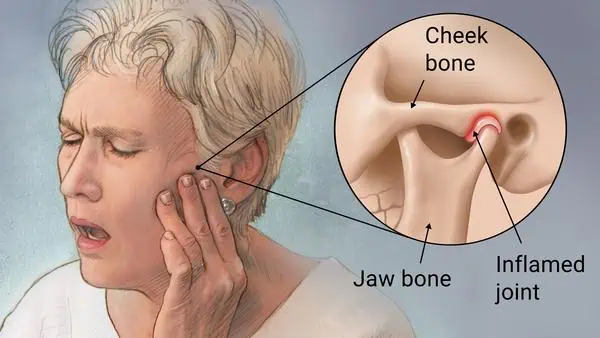
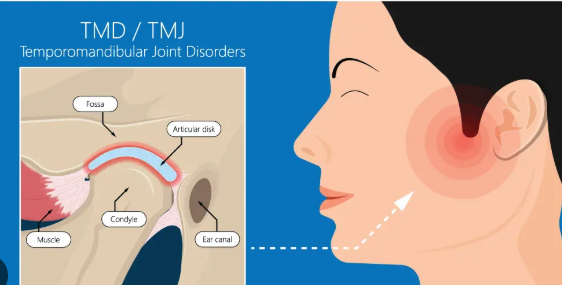
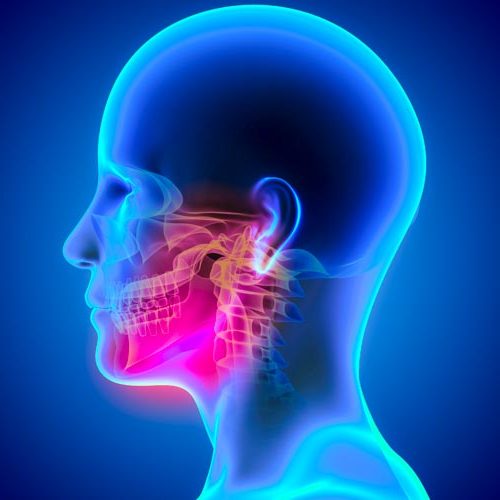
The temporomandibular joint connects your jawbone to your skull and allows smooth jaw movement. When this joint or the surrounding muscles become affected, it can lead to TMJ disorders.
Common symptoms include:
* Jaw pain or tenderness
* Clicking or popping sounds
* Difficulty opening or closing the mouth
* Pain while chewing
* Frequent headaches
* Ear pain or facial discomfort
* Jaw locking
Early diagnosis can prevent symptoms from becoming more severe.
Can TMJ Disorders Be Treated Without Surgery?
Yes. In many cases, TMJ disorders can be successfully
managed without surgery. The right treatment depends
on the cause and severity of the condition.
Dentists often recommend conservative treatments
before considering surgical procedures. Many
patients experience significant improvement
with proper care and lifestyle changes.


image
Non-Surgical Treatment Options for TMJ Disorders
1. Custom Night Guards
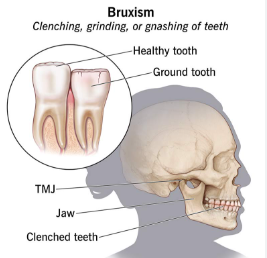
Custom-made dental splints or night guards help reduce teeth grinding and relieve pressure on the jaw joint. They also protect teeth from excessive wear.
2. Medications
Depending on your condition, your dentist may * Pain relievers
* Anti-inflammatory medications
* Muscle relaxants
* Short-term medication for severe discomfort
Always use medicines under professional guidance.
3. Physiotherapy and Jaw Exercises
Simple jaw exercises can improve flexibility and strengthen muscles around the joint. Physical therapy may also reduce stiffness and improve jaw movement.
4. Lifestyle Modifications Small daily changes can make a big difference:
* Avoid chewing gum
* Eat soft foods during flare-ups
* Reduce stress
* Maintain proper posture
* Avoid excessive jaw movements
5. Stress Management Stress often increases jaw clenching and teeth grinding. Relaxation techniques, breathing exercises, and better sleep habits may help reduce TMJ symptoms.
When Is Surgery Considered?

Surgery is usually the last option and is recommended only when:
* Severe joint damage is present
* Conservative treatments have failed
* Jaw movement is significantly restricted
* Structural abnormalities require correction
A detailed clinical examination and imaging studies help determine the best approach.
image
image
Benefits of Early TMJ Treatment
Seeking professional care early offers several advantages:
* Reduced pain and discomfort
* Better jaw movement
* Improved chewing function
* Prevention of further joint damage
* Better quality of life
* Reduced risk of chronic complications
Why Choose Professional TMJ Care in Hyderabad?
Experienced dental professionals use comprehensive examinations and personalized treatment plans to identify the root cause of TMJ disorders. Modern diagnostic methods and conservative treatment approaches often help patients achieve lasting relief without surgery.
Choosing timely evaluation can significantly improve treatment outcomes and help restore normal jaw function.
image


Conclusion

TMJ disorders do not automatically require surgery. In many cases, customized non-surgical treatments, lifestyle adjustments, and expert dental care can effectively manage symptoms and improve jaw function. If you are experiencing persistent jaw pain or clicking sounds, early professional evaluation is the best step toward recovery.
Contact Us today to schedule a consultation and learn about the most suitable TMJ disorder treatment options in Hyderabad.


Frequently Asked Questions

Frequently Asked Questions
1. What causes TMJ disorders?
TMJ disorders can result from teeth grinding, jaw injury, arthritis, stress, or bite problems.
2. Can TMJ pain go away without surgery?
Yes. Many patients recover with non-surgical treatments and lifestyle modifications.
3. Are TMJ disorders permanent?
Not always. Early diagnosis and proper treatment can significantly improve symptoms.
4. Is jaw clicking always a sign of TMJ disorder?
No. Occasional clicking may not require treatment, but persistent symptoms should be evaluated.
5. Can stress worsen TMJ problems?
Yes. Stress often increases jaw clenching and teeth grinding, making symptoms worse.
6. Do night guards help TMJ disorders?
Yes. Custom night guards can reduce pressure on the jaw joint and protect teeth.
7. What foods should I avoid with TMJ pain?
Avoid hard, chewy, and sticky foods during painful episodes.
8. Can physiotherapy help TMJ disorders?
Yes. Jaw exercises and physiotherapy often improve movement and reduce pain.
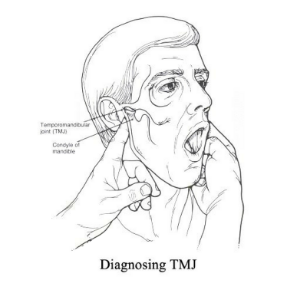
9. How is TMJ disorder diagnosed?
Diagnosis includes a dental examination, symptom assessment, and imaging if needed.
10. When should I see a dentist for TMJ symptoms?
If jaw pain, locking, or clicking persists for several days or affects daily activities, seek professional evaluation.